Home › Road, Street, and Municipal Paving
Support your community with dependable road paving in Jacksonville, FL. We construct and resurface asphalt streets, subdivision roads, and municipal lanes for smooth travel. Our crews manage milling, paving, and compaction to meet demanding traffic and safety standards.
Precision Asphalt Jacksonville provides professional road paving throughout Jacksonville, FL, Florida and the surrounding area. Our licensed, insured crew delivers safe, clean, on-time work with a free estimate before anything begins. Call (904) 817-0896 or request your free quote.
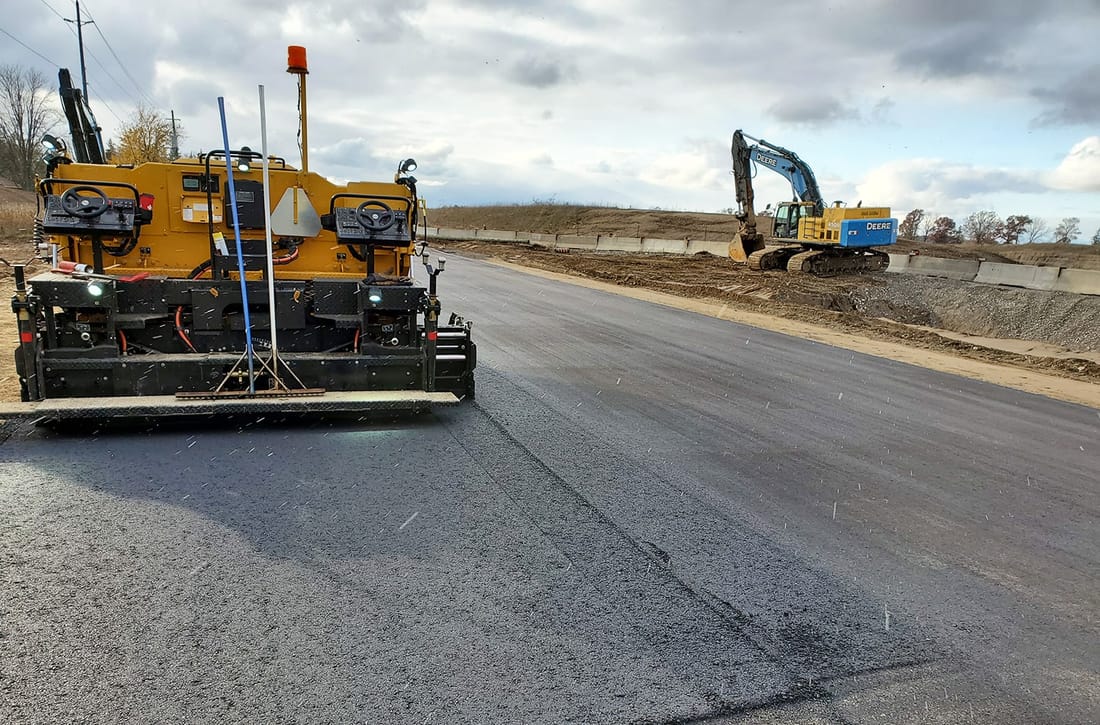
Road, Street, and Municipal Paving in Jacksonville, FL
Road paving in Jacksonville is not a one-size-fits-all job. Our climate, heavy summer thunderstorms, sandy soils, and mix of residential and industrial traffic all affect how a pavement should be designed and built. At Precision Asphalt Jacksonville, we focus on matching the pavement structure to real-world use, not just laying a standard asphalt overlay and hoping for the best.
When we talk about road, street, and municipal paving, we are usually dealing with public or semi-public routes: neighborhood streets, access roads, small city-owned lots, school and church drives, HOA roads, and private streets that need to meet local standards. These projects must balance durability, drainage, safety, and budget, and they must be scheduled in a way that minimizes disruption for drivers and nearby homes or businesses.
In Jacksonville, the best paving windows are generally from late fall through early spring, when afternoon thunderstorms are less frequent and temperatures are moderate. Asphalt can be placed in warmer months too, but we pay closer attention to rain chances, surface temperatures, and evening cooling so the mat can be compacted correctly. Planning around the local weather keeps the pavement from cooling too fast or getting washed out while it is still fresh.
Whether the work is under a city contract, for an HOA, or for a private owner with a long access road, Precision Asphalt Jacksonville tailors the process to the specific street and its users. That means gathering real information about traffic loads, turning patterns, and problem spots like low intersections that hold water, not just guessing from a map.
How We Build a Long-Lasting Road Surface
A good road or street starts with what is under the asphalt. In Jacksonville, many failures come from poor base preparation, not the surface mix itself. Our road paving process always begins with evaluation and base work.
First we inspect and document the existing conditions. We look for rutting, potholes, edge cracking, standing water, and soft spots that pump when heavy vehicles pass. On older streets, this often shows us where the base has been contaminated by sand or water. We use core samples or test pits when needed to see layer thicknesses and base quality, which is especially useful on older municipal or HOA streets that have been resurfaced many times.
Next we handle grading and base repairs. We typically use crushed limestone or graded aggregate base, compacted in lifts with vibratory rollers to reach target density. In low or swampy sections, we may proof-roll the base with a loaded truck to reveal soft pockets, then undercut and replace bad material. In some parts of Jacksonville where the native soil is very sandy, we may use geotextile fabric or a thicker base to keep the structure stable over time.
After the base is sound and the profile is set for drainage, we apply tack coat to bond new asphalt to old surfaces or between lifts. This is a light spray of asphalt emulsion applied at a calibrated rate so the layers act as one solid pavement. Skipping or shortcutting this step is one of the reasons some overlays peel or slip under braking traffic.
Finally we place the asphalt itself. For municipal streets we often use a two-course system: a stronger base course mix for structure and a finer surface course for smoothness and skid resistance. For lighter duty residential roads we may use a single thicker lift. We control mat temperature, joint location and rolling patterns so the pavement achieves proper compaction across the entire width, including near gutters and transitions to existing pavement.
Mix Designs, Thickness Choices, and Local Traffic Conditions
Not every road in Jacksonville needs the same asphalt mix or thickness. Precision Asphalt Jacksonville designs each road paving project around expected traffic types, subgrade conditions, and budget, and we follow local agency standards when required.
For neighborhood streets and low-speed residential roads, a typical section might be 1.5 to 2 inches of asphalt surface over 6 to 8 inches of compacted base. In cul-de-sacs where garbage trucks and delivery vehicles make tight turns, we sometimes increase thickness or switch to a stiffer base course to reduce shoving and cracking. In front of schools and churches, where buses idle and turn, we may adjust the mix to handle more load cycling.
On industrial access roads or streets near port or warehouse areas, we often recommend thicker asphalt sections or multiple lifts using a higher stability mix that resists rutting. The cost per square yard is higher, but much lower than dealing with premature failure caused by heavy trucks and container traffic. For municipal or county standard roads, we align thickness and mix types with local specifications while still watching for site-specific issues like soft shoulders or drainage constraints.
We also consider surface texture and safety. On roads with frequent wet conditions or shaded areas that stay damp, we may specify a mix with more surface texture to improve skid resistance. At intersections and steep approaches, we watch for braking and turning forces and may reinforce those zones with slightly thicker asphalt or tighter joint layout.
Material pricing, haul distance from the plant, and required traffic control all affect cost, but structural design choices are where long-term value is set. We explain thickness options in plain terms, including what is minimum acceptable and what we would choose if the road were ours, so owners can make informed decisions instead of just seeing a lump-sum number.
Managing Drainage, Jacksonville Weather, and Common Road Problems
In our area, water is the main enemy of road paving. Jacksonville gets intense rainfall, especially in summer, so drainage planning is a critical part of every street and municipal project we handle.
We start by checking existing slopes, gutter lines, and swales. If a road has ponding issues, simply overlaying it with new asphalt will often make the problem worse because the curb height effectively gets lower. In those cases we may mill down high spots before paving, regrade the base, or adjust inlet elevations where feasible so water flows to drains instead of sitting on the surface.
For roads with frequent flooding or near marshy ground, we may recommend slightly higher crowns or cross slopes within local standards to move water off the travel lanes more quickly. Proper compaction of the base and surface reduces permeability, which keeps water from infiltrating and weakening the structure. In some installations we cut relief joints or use edge drains to help water escape from shoulders or behind curbs.
Common problems we see in Jacksonville include alligator cracking from base failure, rutting in wheel paths from heavy trucks, raveling caused by age or poor initial compaction, and edge cracking where road shoulders are soft or close to ditches. Precision Asphalt Jacksonville addresses the cause, not just the symptom. That can mean deeper patching into the base, widening or reinforcing shoulders, or revising the mix and thickness at problem locations.
Weather timing is managed carefully. For larger roads, we phase work so that sections can be kept open while others are milled and paved, planning around school schedules, rush hours, and major local events. In summer, we try to pave earlier in the day to avoid afternoon storms, and if there is a strong chance of rain we adjust the schedule rather than risk a compromised surface. This approach results in pavements that hold up better to Jacksonville's combination of heat, moisture, and traffic.
Permits, Traffic Control, and Working in Active Streets
Road paving often involves more than just construction equipment. In the Jacksonville area, many street and municipal projects require coordination with the city, county, or HOA boards. Precision Asphalt Jacksonville helps owners and managers navigate these steps so work can be completed safely and legally.
For public or publicly connected roadways, permits and traffic control plans may be required. We work with the relevant agencies to align with current standards for lane closures, flaggers, and work hours. On smaller private streets, we still set up proper signage and safe work zones, but we can coordinate access in closer detail with residents or businesses.
Before paving begins, we provide a clear schedule and phasing plan. For neighborhoods, this usually includes notices to residents about when their section of road will be milled, paved, and reopened, plus instructions about parking and trash pickup. For commercial or institutional sites, we review access needs for emergency vehicles, deliveries, and service providers so that the site remains functional during the project.
Traffic control on active streets is more than cones. We plan where flaggers are needed, how emergency access will be maintained, and how to avoid trapping vehicles when a cul-de-sac or dead-end street is under construction. We also coordinate with utility companies when valve boxes, manholes, or utility covers need to be raised or protected, which prevents damage and future trip hazards.
At project closeout, we do a final walkthrough with the owner or representative to confirm that transitions to existing pavement are smooth, drainage is working as expected, and pavement markings and signage are correctly placed. We can also set up a simple maintenance plan for the new road, including recommended timing for crack sealing or future surface treatments based on local conditions and traffic levels.