Home › Asphalt Pathways, Sidewalks, and Trails
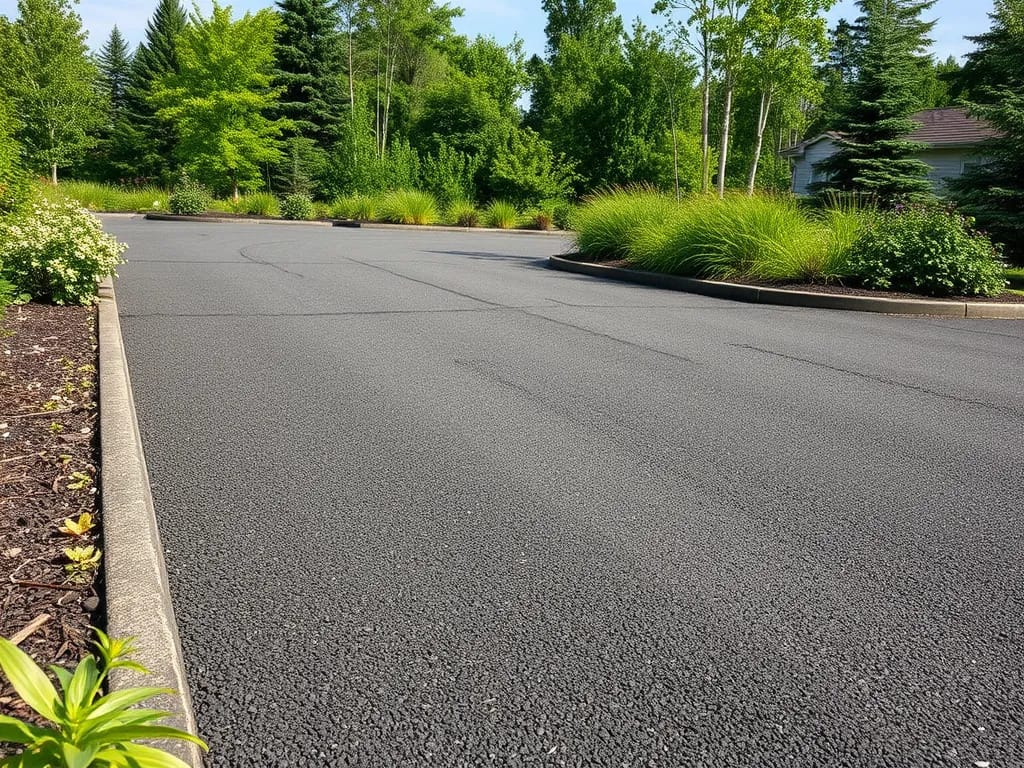
Connect your property with asphalt pathway paving in Jacksonville, FL. We build sidewalks, bike paths, and multi use trails for parks, campuses, and commercial sites. Our smooth, accessible paths provide safe routes for walking, jogging, and cycling.
Precision Asphalt Jacksonville provides professional asphalt pathway paving throughout Jacksonville, FL, Florida and the surrounding area. Our licensed, insured crew delivers safe, clean, on-time work with a free estimate before anything begins. Call (904) 817-0896 or request your free quote.
Asphalt Pathway Paving Done Right in Jacksonville
An asphalt pathway, sidewalk, or trail seems simple from the surface, but the difference between something that lasts and something that crumbles in a few years is in the prep work. At Precision Asphalt Jacksonville, we build walkable surfaces that hold up to Florida sun, afternoon storms, and heavy foot traffic.
Most projects start with a site walk. We look at drainage patterns, tree roots, existing concrete or asphalt, and how people actually use the space. For example, a school campus pathway will get different traffic than a neighborhood walking trail along a retention pond. We measure slopes, note low spots that collect water, and check access for our equipment. This first look helps us decide how deep to excavate, what base material to use, and whether you need any minor grading or swales to keep water off the pavement.
In Jacksonville, timing matters. We try to schedule asphalt pathway paving on dry days with moderate temperatures, since hot, humid afternoons plus sudden showers can affect compaction and finish quality. If a summer storm is moving in, we will adjust the schedule rather than rush a job and risk soft spots or a rough surface. You will always know the plan ahead of time so you can coordinate with residents, staff, or park visitors.
How We Build Long-Lasting Asphalt Pathways, Sidewalks, and Trails
A durable asphalt pathway starts from the ground up. First, we strip sod, organic material, and any old failed pavement. In many Jacksonville neighborhoods the native soil includes sand and loose fill, so we check for soft pockets and dig them out instead of just paving over them. Those areas get rebuilt with compacted aggregate base to prevent future settling and trip hazards.
Next, we install the base layer. For most sidewalks and multi use trails, we use a crushed limestone or granite base compacted in thin lifts with a vibratory roller or plate compactor. Typical base thickness ranges from 4 to 8 inches, depending on soil conditions and expected use. Around ponds and low-lying areas we often recommend the thicker end of that range so the surface does not wave or crack as the ground shifts.
Then comes the asphalt. For pedestrian pathways, we typically install 2 to 3 inches of hot mix asphalt, placed in one or two lifts depending on the design. Heavier use areas, such as golf cart paths, maintenance access routes, or emergency vehicle lanes inside a gated community, may call for thicker sections or a stronger mix with more stone. We place the asphalt while it is still hot, shape it to the proper pitch for drainage, then compact it so it bonds to the base and locks together as a smooth, dense surface.
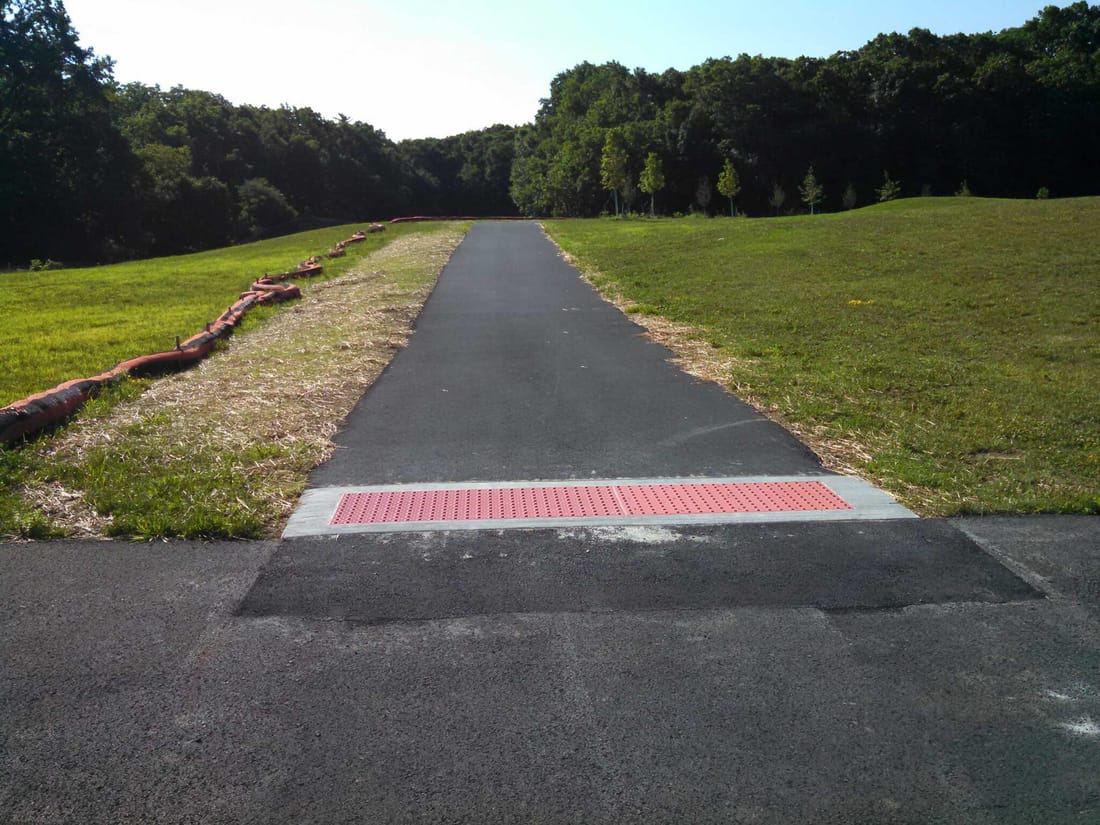
We finish by tying the new pathway into driveways, building entrances, or existing walkways with smooth transitions so there are no abrupt edges. If the project includes striping for shared bike and pedestrian trails, crosswalk markings, or ADA features like truncated dome mats, we install those after the asphalt has cooled and cured enough to hold paint or adhesive.
Design Options for Paths, Sidewalks, and Recreational Trails
Not every asphalt pathway has to look the same. Precision Asphalt Jacksonville can tailor the layout and details to match how the space is used and how much maintenance you are comfortable with. During planning, we talk about width, alignment, and features such as lighting, benches, or landscaping that might affect the final pavement edges.
For neighborhood sidewalks and community walking loops, a 4 to 6 foot width often works. Multi use trails that mix joggers, strollers, and bicycles may need 8 to 10 feet or more. We also look at curves and intersections. Tight corners are harder for bikes and carts, and they can wear faster, so we may widen those areas or adjust the alignment to spread out the stress.
Visually, asphalt is usually black at first then weathers to dark gray. If you want a more finished look, we can add clean concrete or paver borders along the edges, or plan for landscape edging that protects the asphalt from lawn equipment. On some projects we use surface treatments like sealcoat with light aggregate for extra traction, especially near waterfronts or shaded trails where surfaces stay damp longer.
Accessibility is another key part of design. ADA compliant slopes, cross slopes, and landing areas matter for sidewalks near public buildings, apartments, medical offices, and schools. We carefully set grades so wheelchairs and walkers can move safely, and we coordinate ramp locations and detectable warning surfaces at crossings. These details reduce liability and make your property easier to use for everyone.
Costs, Common Issues, and What Drives the Price in Jacksonville
Pathway and trail paving costs are mainly driven by three things: site conditions, section thickness, and access. Flat, open ground with firm soil and easy equipment access will cost less per foot than a winding trail through trees with soft spots and limited room to maneuver. In Jacksonville, tree roots are a big variable. Live oaks and other large trees push up sidewalks over time, so we often plan root pruning, root barriers, or minor realignment to protect both the trees and the pavement.
Material thickness matters too. A basic walking path over good sand might get by with a thinner base and 2 inches of asphalt, while a golf cart path, community greenway, or service lane should use heavier sections. It costs more up front, but it reduces rutting, cracking, and future patch work. During estimating, we will walk the whole route, probe the soil if needed, and explain where we recommend strengthening the structure and where a lighter build is acceptable.
Common problems on local pathways include edge raveling where grass edges are not maintained, low spots that hold stormwater after heavy rain, and cracking from tree roots or poor subgrade. Precision Asphalt Jacksonville tries to prevent these issues with proper base prep, drainage planning, and clean compaction at the edges. For existing paths that are already in rough shape, we can mill and overlay, saw cut and patch, or reclaim sections instead of replacing the entire run.
Permits and codes may also affect costs, especially in city rights of way or larger commercial and HOA projects. We are familiar with local requirements and can coordinate on any needed approvals or inspections so there are no surprises mid project.
What To Expect When You Hire Precision Asphalt Jacksonville
We try to make asphalt pathway paving straightforward and predictable for property managers, HOAs, schools, and homeowners. After the initial site visit, we provide a written proposal that outlines the scope, pavement structure, and any options, such as thicker sections in high traffic areas or additional drainage work. You see exactly what is included so you can compare it to any other quotes in real detail, not just a total price.
Before work starts, we agree on access routes, staging areas, and a traffic plan. For apartment communities or busy facilities, we often schedule in phases so residents always have a way around active work zones. We set realistic start and finish dates, then watch the weather closely, since Jacksonville’s pop up storms can affect daily scheduling.
During construction, you will see our crew handle excavation, base placement, grading, and asphalt installation in a logical order. We keep the site as clean as the work allows and coordinate with you if we need to adjust for deliveries, events, or school schedules. When paving is finished, we compact and check for smoothness, verify drainage, and handle any agreed striping or markings.
After completion, we go over care recommendations. For most asphalt pathways, we suggest keeping heavy vehicles off the surface, edging turf so roots and grass do not encroach, and planning sealcoating on the right schedule if appropriate for your use. If you ever notice settlement, ponding, or early cracking, you can call us back to walk it with you and discuss repair options. Our goal is simple: asphalt pathways, sidewalks, and trails that work well for years in Jacksonville’s real conditions, not just the day they are paved.